


Eyebrow Transplant
Full, symmetrical, and naturally shaped eyebrows – permanently and without makeup.
Book Consultation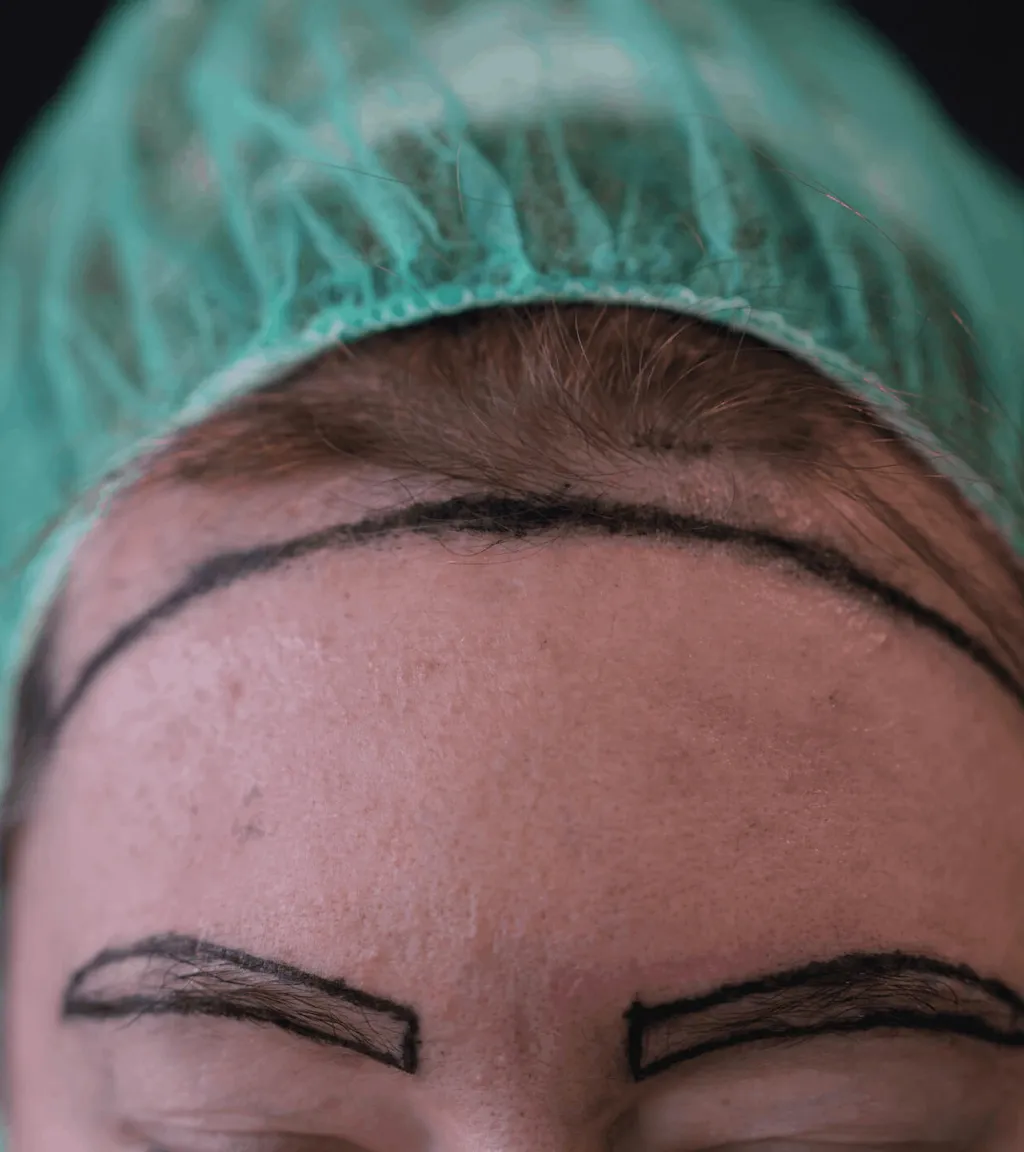
Treatment
The eyebrow transplant is a precise micro-surgical procedure in which hair follicles are transplanted into the eyebrow region to restore shape, density, and symmetry. It provides a long-term solution for thin or missing brows.
How does it work?
Individual hair follicles are extracted and implanted into the eyebrow area using fine needles.
Why choose an eyebrow transplant?
Achieve natural results without daily makeup or eyebrow drawing.
Who is a good candidate?
Men and women with thin, asymmetrical, or missing eyebrows – including those with scars or hair loss from injuries.
Expected results
Fuller, well-shaped eyebrows with a natural look that lasts permanently.
Treatment duration: 3–5 hours
Discomfort: Minimal
Healing: 7–10 days
Preparation & Aftercare
How should I prepare?
Avoid alcohol and blood thinners 48 hours before treatment. Cleanse your face thoroughly and avoid applying makeup.
What aftercare is needed?
Avoid direct sunlight, swimming, and intense exercise for 7 days. Do not rub or scratch the treated area.
When can I return to work?
You can resume light activities within 1–2 days. Most patients feel socially comfortable after about a week.

FAQ
Do you have more questions or would you like to learn more?
Contact usHow is an eyebrow transplant performed?
Fine hair follicles are usually taken from the nape area and transplanted into the eyebrows, following the natural hair direction.
Who is suitable for an eyebrow transplant?
It’s ideal for those with genetically thin brows, overplucking, scars, or hair loss due to accidents or conditions.
When will I see results?
The transplanted hairs start to grow after about 3–4 months. Full density is achieved after 9–12 months.
Do I need to trim the new eyebrows?
Yes, because the transplanted hairs are originally scalp hairs, they grow longer and need regular trimming and shaping.
Is the treatment painful?
No, the procedure is done under local anesthesia. Mild redness and swelling usually disappear within a few days.
Book a comprehensive hair consultation!
Book consultation